

How to choose the right stainless steel pipe cap based on the pipe diameter?
Oct 15, 2025
Leave a message
Hey there! As a supplier of Stainless Steel Pipe Caps, I've seen firsthand how crucial it is to choose the right pipe cap based on the pipe diameter. In this blog post, I'll share some tips and tricks to help you make the best decision for your project.
First off, let's talk about why the pipe diameter matters. The diameter of your pipe determines the size of the pipe cap you need. A cap that's too small won't fit properly, and a cap that's too large will be loose and may not provide a secure seal. This can lead to leaks, corrosion, and other issues that can compromise the integrity of your piping system.
So, how do you measure the pipe diameter? It's actually pretty simple. You can use a caliper or a tape measure to measure the outside diameter (OD) of the pipe. Make sure to measure the pipe at several points along its length to ensure accuracy, as the diameter can vary slightly. Once you have the OD measurement, you can use it to select the appropriate pipe cap size.
Now, let's take a look at the different types of pipe caps available and how they relate to pipe diameter.
Threaded Pipe Caps
Threaded pipe caps are designed to screw onto the end of a threaded pipe. They're commonly used in plumbing and other applications where a leak-proof seal is required. When choosing a threaded pipe cap, you'll need to know the pipe's thread size, which is typically specified in inches or millimeters. The thread size is related to the pipe diameter, but it's not the same thing. For example, a 1/2-inch pipe may have a 3/4-inch thread size. Make sure to check the thread size of your pipe before selecting a threaded pipe cap. You can find more information about threaded pipe fittings on our ASTM A403 Stainless Steel Pipe Fittings page.
Welded Pipe Caps
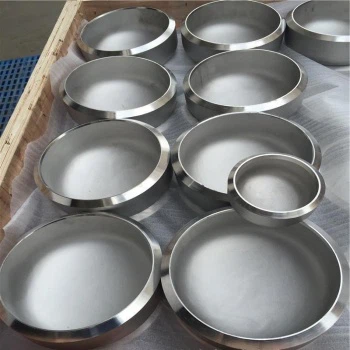
Welded pipe caps are attached to the end of a pipe by welding. They're often used in high-pressure applications or where a permanent seal is required. When choosing a welded pipe cap, you'll need to make sure the cap's diameter matches the pipe's OD. The cap should also be made from the same material as the pipe to ensure a strong, durable weld. Our Stainless Steel Pipe Caps are available in a variety of sizes and materials to meet your welding needs.
Socket Weld Pipe Caps
Socket weld pipe caps are similar to welded pipe caps, but they're designed to be inserted into the end of a pipe and then welded in place. They're commonly used in small-diameter pipes and where a smooth, flush finish is desired. When choosing a socket weld pipe cap, you'll need to make sure the cap's socket size matches the pipe's OD. You can find more information about socket weld fittings on our ASTM A403 Stainless Steel Pipe Fittings page.
Slip-On Pipe Caps
Slip-on pipe caps are designed to slide over the end of a pipe and are held in place by friction or a small amount of adhesive. They're often used in low-pressure applications or where easy installation and removal are required. When choosing a slip-on pipe cap, you'll need to make sure the cap's ID (inside diameter) is slightly larger than the pipe's OD to allow for easy installation. Our Stainless Steel Pipe Caps are available in a range of sizes to fit different pipe diameters.
In addition to the type of pipe cap, you'll also need to consider the material. Stainless steel is a popular choice for pipe caps because it's corrosion-resistant, strong, and durable. It's suitable for a wide range of applications, from plumbing to industrial piping systems. When choosing a stainless steel pipe cap, make sure to select a grade that's appropriate for your specific application. For example, 304 stainless steel is a common choice for general-purpose applications, while 316 stainless steel is more resistant to corrosion and is often used in marine or chemical environments.
Another factor to consider is the wall thickness of the pipe cap. The wall thickness affects the cap's strength and durability. Thicker walls are generally stronger and more resistant to damage, but they may also be more expensive. Make sure to choose a wall thickness that's appropriate for your application.
Now, let's talk about some common mistakes to avoid when choosing a pipe cap based on the pipe diameter.
- Not measuring accurately: As I mentioned earlier, it's important to measure the pipe diameter accurately to ensure a proper fit. Using an incorrect measurement can lead to a cap that's too small or too large, which can cause problems down the line.
- Ignoring the type of pipe: Different types of pipes have different requirements for pipe caps. For example, threaded pipes require threaded caps, while welded pipes require welded caps. Make sure to choose a cap that's compatible with your pipe type.
- Overlooking the material: The material of the pipe cap is just as important as the size. Choosing the wrong material can lead to corrosion, leaks, and other issues. Make sure to select a material that's suitable for your application.
- Forgetting about the wall thickness: The wall thickness of the pipe cap can affect its performance. Make sure to choose a wall thickness that's appropriate for your application.
In conclusion, choosing the right stainless steel pipe cap based on the pipe diameter is essential for a successful piping system. By measuring the pipe diameter accurately, considering the type of pipe cap, material, and wall thickness, and avoiding common mistakes, you can ensure a proper fit and a long-lasting seal. If you have any questions or need help choosing the right pipe cap for your project, don't hesitate to contact us. We're here to help you find the perfect solution for your needs.
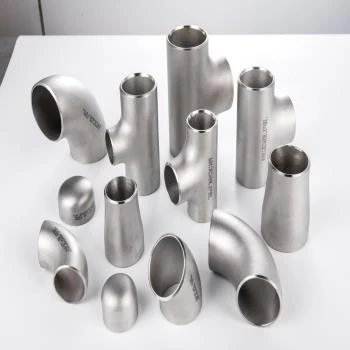
If you're interested in learning more about other stainless steel pipe fittings, check out our Stainless Steel Pipe Reducing Pipes page. And if you're ready to place an order or discuss your requirements further, feel free to reach out to us. We're eager to work with you and provide you with high-quality stainless steel pipe caps at competitive prices.
References
- ASME B16.9 - Factory-Made Wrought Steel Buttwelding Fittings
- ASTM A403 - Standard Specification for Wrought Austenitic Stainless Steel Piping Fittings
Send Inquiry