

How to check the quality of stainless steel pipe caps?
Jan 07, 2026
Leave a message
Hey there! As a supplier of Stainless Steel Pipe Caps, I know how crucial it is to ensure the quality of these products. In this blog, I'll share some practical ways to check the quality of stainless steel pipe caps.
1. Visual Inspection
The first thing you can do is to give the pipe caps a good visual once - over. Take a close look at the surface finish. High - quality stainless steel pipe caps should have a smooth and even surface. Any signs of scratches, dents, or unevenness could indicate potential quality issues.

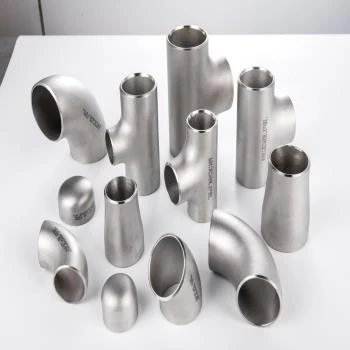
A rough surface might not only affect the appearance but could also lead to problems in long - term use. For example, scratches can be vulnerable spots for corrosion to start. If you notice any pits or porous areas on the surface, that's a red flag. Pitted areas can weaken the structure of the pipe cap and make it more likely to fail under pressure.
2. Material Composition Analysis
The material of the stainless steel is a key factor in determining its quality. We usually use high - grade stainless steel for our pipe caps, which often comply with standards like ASTM A403 Stainless Steel Pipe Fittings and ASTM A182 Stainless Steel Pipe Fittings.
You can use a spectrometer to analyze the chemical composition of the stainless steel. The correct proportion of elements like chromium, nickel, and molybdenum is essential for the corrosion resistance and strength of the pipe caps. For instance, chromium helps form a passive oxide layer on the surface, which protects the steel from rusting. If the chromium content is too low, the pipe cap will be more prone to corrosion.
Another way is to check the material certification. A reliable supplier like us will provide a detailed material certificate that shows the exact chemical composition and mechanical properties of the stainless steel. Make sure to compare the certificate with the actual product to ensure they match.
3. Dimensional Accuracy
Accurate dimensions are vital for a proper fit. Stainless steel pipe caps need to match the size of the pipes they will be used with. Measure the inner and outer diameters, as well as the thickness of the pipe cap.
Using calipers is a simple and effective way to measure these dimensions. If the dimensions are off by even a small margin, it can cause problems during installation. For example, if the inner diameter is too small, it won't fit over the pipe. And if it's too large, it won't provide a tight seal, which can lead to leaks.
We also focus on the wall thickness consistency. Inconsistent wall thickness can result in uneven stress distribution, which may cause the pipe cap to fail prematurely under pressure.
4. Pressure Testing
Pressure testing is a great way to evaluate the strength and integrity of the pipe caps. You can subject the pipe caps to a certain level of pressure to see how they perform.
We use hydrostatic testing in our manufacturing process. This involves filling the pipe cap with a liquid, usually water, and then gradually increasing the pressure to a specified level. By monitoring the pressure and looking for any signs of leakage, we can determine if the pipe cap can withstand the required pressure.
If a pipe cap fails during pressure testing, it clearly indicates a quality problem. A well - made pipe cap should be able to maintain its integrity under the expected operating pressure.
5. Weld Quality (if applicable)
Some stainless steel pipe caps are welded, especially Stainless Steel Pipe Welded Pipe Fittings. The quality of the welds can significantly affect the performance of the pipe caps.
Inspect the weld seams for any visible defects like cracks, porosity, or incomplete fusion. A good weld should be smooth, uniform, and free of these flaws. You can also use non - destructive testing methods like ultrasonic or X - ray testing to check the internal quality of the welds.
Poor weld quality can lead to structural weaknesses and potential failures. For example, a crack in the weld can propagate under stress, causing the pipe cap to break.
6. Hardness Testing
Hardness testing can give you an idea of the mechanical properties of the stainless steel. A certain level of hardness is required for the pipe caps to withstand wear, abrasion, and pressure.
There are different methods for hardness testing, such as the Rockwell or Brinell test. These tests involve applying a specific load to the surface of the pipe cap and measuring the resulting indentation.
If the hardness is too low, the pipe cap may be easily deformed. On the other hand, if it's too high, the material can become brittle and more likely to crack.
7. Corrosion Resistance Testing
Since stainless steel is known for its corrosion resistance, it's important to test how well the pipe caps can resist rust and other forms of corrosion.
One common method is the salt spray test. In this test, the pipe caps are exposed to a salt - rich mist for a certain period. By examining the surface after the test, you can see if there are any signs of corrosion.
A high - quality stainless steel pipe cap should show minimal or no signs of corrosion after the test. This indicates that it will have a long service life, even in harsh environments.
Conclusion
Checking the quality of stainless steel pipe caps involves a combination of visual inspection, material analysis, dimensional measurement, and performance testing. By following these steps, you can ensure that you're getting a high - quality product that will meet your needs.
If you're in the market for stainless steel pipe caps and want to learn more about our products, feel free to reach out to us for purchasing and further discussions. We're always happy to assist you in finding the perfect pipe caps for your projects.
References
- ASTM International standards on stainless steel pipe fittings.
- Industry best practices for quality control of stainless steel products.
Send Inquiry