

Which is better, seamless or welded 904L stainless steel pipe?
Jan 20, 2026
Leave a message
Hey there! As a supplier of 904L stainless steel pipes, I often get asked which is better: seamless or welded 904L stainless steel pipes. Well, it's not a straightforward answer, and in this blog, I'll break down the pros and cons of each to help you make an informed decision.
Let's start with seamless 904L stainless steel pipes. These pipes are made from a solid billet of 904L stainless steel that's heated and pierced through the center to create a hollow tube. The main advantage of seamless pipes is their strength and durability. Since there are no welds, there are no weak points where corrosion or leaks can occur. This makes them ideal for high-pressure applications, like in the oil and gas industry, where reliability is crucial.
Another great thing about seamless pipes is their smooth interior surface. This reduces friction and allows for a more efficient flow of fluids, whether it's water, oil, or gas. In industries where maintaining a consistent flow rate is important, seamless pipes can really make a difference. They also have better resistance to fatigue, which means they can withstand repeated stress over time without cracking or failing.
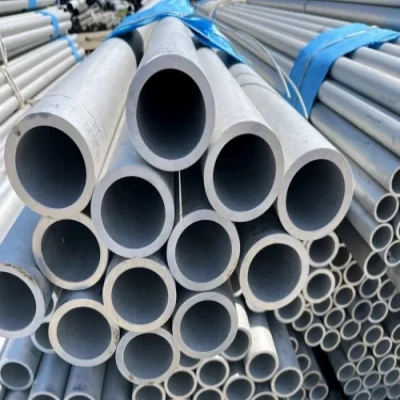

However, seamless pipes do come with some drawbacks. The manufacturing process is more complex and expensive, which means they're usually pricier than welded pipes. They also have limitations in terms of size and wall thickness. It can be challenging to produce seamless pipes with very large diameters or extremely thin walls.
Now, let's talk about welded 904L stainless steel pipes. These pipes are made by rolling a flat sheet of 904L stainless steel into a tube and then welding the seam together. The welding process can be done using different methods, such as TIG (Tungsten Inert Gas) welding or ERW (Electric Resistance Welding).
One of the biggest advantages of welded pipes is their cost-effectiveness. Since the manufacturing process is simpler, they're generally cheaper than seamless pipes. This makes them a popular choice for applications where budget is a major concern, like in construction projects or plumbing systems.
Welded pipes also offer more flexibility in terms of size and shape. They can be produced in a wider range of diameters and wall thicknesses, and it's easier to create custom shapes or lengths. This makes them suitable for a variety of applications, from small-scale plumbing jobs to large industrial projects.
But welded pipes aren't without their issues. The weld seam is a potential weak point, and if the welding isn't done properly, it can lead to corrosion or leaks. However, with modern welding techniques and quality control measures, this risk can be minimized. Also, the interior surface of welded pipes may not be as smooth as that of seamless pipes, which can affect the flow of fluids to some extent.
So, which one should you choose? It really depends on your specific needs and requirements. If you're working on a high-pressure application where reliability and strength are top priorities, seamless pipes are probably the way to go. On the other hand, if you're on a tight budget and need a pipe that can be customized easily, welded pipes might be a better option.
Let's take a look at some real-world examples. In the oil and gas industry, seamless 904L stainless steel pipes are commonly used for transporting crude oil and natural gas over long distances. The high pressure and corrosive nature of these fluids require a pipe that can withstand extreme conditions, and seamless pipes fit the bill perfectly.
In the construction industry, welded pipes are often used for structural applications, like building frames or support columns. They're also widely used in plumbing systems, where cost and ease of installation are important factors.
If you're still not sure which type of pipe is right for your project, feel free to reach out to me. I've been in the business for a long time, and I can offer you expert advice based on your specific needs.
Now, I'd like to mention some other products we offer. We also supply ASTM A249 TP304/304L Welded Steel Pipe, which is a popular choice for general-purpose applications due to its good corrosion resistance and affordability. Our S32750 Stainless Steel Pipe is known for its high strength and excellent resistance to pitting and crevice corrosion, making it suitable for harsh environments. And if you need a square tube, our ASTM A554 Stainless Steel Square Tube is a great option.
Whether you're in the market for seamless or welded 904L stainless steel pipes, or any of our other products, I'm here to help you find the right solution for your project. Don't hesitate to contact me for more information or to discuss your requirements. We can work together to ensure you get the best quality pipes at a competitive price.
In conclusion, both seamless and welded 904L stainless steel pipes have their own unique advantages and disadvantages. By understanding your specific needs and considering factors like cost, performance, and application requirements, you can make an informed decision. If you have any questions or need further advice, just drop me a line. I'm always happy to assist you.
References
- "Stainless Steel Pipes: Seamless vs. Welded" - Industry Handbook
- "Advances in Stainless Steel Pipe Manufacturing" - Research Journal
- "Practical Applications of Stainless Steel Pipes" - Technical Report
Send Inquiry