

How to install stainless steel pipe caps without special tools?
Jul 04, 2025
Leave a message
Hey there! As a supplier of Stainless Steel Pipe Caps, I've seen all sorts of installation scenarios. Today, I'm gonna share with you how to install stainless steel pipe caps without special tools. Whether you're a DIY enthusiast or just need to make a quick fix, these tips will come in handy.
Understanding Your Stainless Steel Pipe Caps
First things first, let's talk a bit about stainless steel pipe caps. They're used to seal the end of a pipe, preventing the flow of liquid or gas and protecting the pipe from dirt and debris. Stainless steel is a popular choice because it's durable, resistant to corrosion, and looks great.
There are different types of stainless steel pipe caps, like threaded caps, welded caps, and slip-on caps. For the purpose of this guide, we're mainly focusing on slip-on caps, which are the easiest to install without special tools.
What You'll Need
Before you start the installation process, gather the following items:

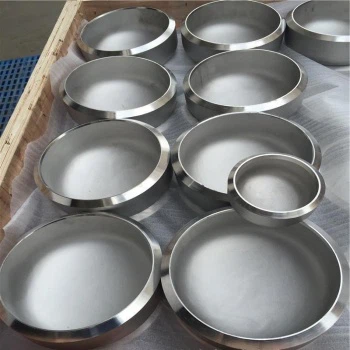
- Stainless Steel Pipe Cap: Make sure it's the right size for your pipe. You can measure the outside diameter of your pipe to find the appropriate cap size.
- Pipe: Obviously, you need the pipe you're going to cap.
- Clean Cloth: To wipe down the pipe and cap before installation.
- Penetrating Oil (Optional): If the cap is a bit tight, a little penetrating oil can help.
- Hammer (Optional): In some cases, you might need a gentle tap with a hammer to seat the cap properly.
Step-by-Step Installation Process
Step 1: Prepare the Pipe and Cap
- Take your clean cloth and wipe down the end of the pipe. Remove any dirt, grease, or rust. This ensures a good fit and prevents any contaminants from getting inside the pipe.
- Do the same for the inside of the stainless steel pipe cap. A clean surface will make the installation smoother.
Step 2: Check the Fit
- Try slipping the cap onto the end of the pipe. It should fit snugly but not be too tight. If it's a bit tight, you can apply a small amount of penetrating oil to the outside of the pipe end. Let it sit for a few minutes to penetrate and then try again.
Step 3: Position the Cap
- Once you're satisfied with the fit, position the cap at the end of the pipe. Make sure it's centered and straight. You can use your hands to align it properly.
Step 4: Install the Cap
- Gently push the cap onto the pipe. Use your hands to apply even pressure around the circumference of the cap. If it's still a bit difficult to push on, you can use a hammer. Place a piece of wood between the hammer and the cap to prevent damage, and give it a few gentle taps until the cap is fully seated.
Step 5: Check the Seal
- After the cap is installed, check to make sure it's sealed properly. There should be no gaps between the cap and the pipe. If you're using the pipe for a liquid or gas application, you can perform a simple leak test. For example, if it's a water pipe, turn on the water and check for any leaks around the cap.
Other Considerations
- Temperature: Stainless steel expands and contracts with temperature changes. Make sure to install the cap at a normal room temperature to ensure a proper fit. If you're installing in extreme temperatures, you might need to adjust your installation method accordingly.
- Pipe Condition: If the pipe is damaged or has rough edges, it can affect the fit of the cap. You may need to smooth out the edges or replace the pipe if necessary.
Related Products
If you're working on a larger piping project, you might also be interested in our Stainless Steel Pipe Grooved Pipe Fittings and Stainless Steel Pipe Reducing Pipes. These products can help you connect different sizes of pipes and create a more complex piping system.
Conclusion
Installing stainless steel pipe caps without special tools is definitely doable. With a little patience and the right approach, you can get the job done quickly and effectively. Whether you're a professional plumber or a weekend warrior, these tips should help you seal your pipes like a pro.
If you have any questions about our stainless steel pipe caps or other products, or if you're interested in placing an order, feel free to reach out. We're here to help you find the right solutions for your piping needs.
References
- "Stainless Steel Pipe Fittings Handbook"
- Various industry standards and guidelines for pipe installation.
Send Inquiry