

How to ensure the environmental friendliness of 310S stainless steel tube?
Aug 08, 2025
Leave a message
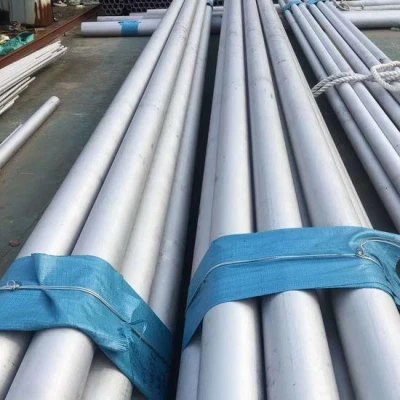
As a supplier of 310S stainless steel tubes, I understand the growing importance of environmental friendliness in today's industrial landscape. The demand for sustainable materials is on the rise, and ensuring that our 310S stainless steel tubes meet high environmental standards is not only a moral obligation but also a business necessity. In this blog post, I will share some key strategies on how to ensure the environmental friendliness of 310S stainless steel tubes.
Raw Material Sourcing
The journey towards an environmentally friendly 310S stainless steel tube begins with responsible raw material sourcing. Stainless steel is primarily made from iron ore, chromium, nickel, and other alloying elements. To minimize the environmental impact, it is crucial to source these raw materials from suppliers who adhere to sustainable mining practices.
Sustainable mining involves reducing the ecological footprint of mining operations, protecting biodiversity, and ensuring the well - being of local communities. Suppliers should have proper environmental management systems in place to control emissions, manage waste, and conserve water. By choosing such suppliers, we can contribute to the overall reduction of environmental degradation associated with raw material extraction.
In addition, using recycled materials is an excellent way to enhance the environmental friendliness of 310S stainless steel tubes. Stainless steel is one of the most recycled materials in the world, and using recycled content can significantly reduce energy consumption and greenhouse gas emissions compared to producing stainless steel from virgin materials. Many recycling facilities have advanced technologies that can separate and purify different metals, allowing for the production of high - quality recycled stainless steel.
Manufacturing Process Optimization
The manufacturing process of 310S stainless steel tubes has a significant impact on the environment. To ensure environmental friendliness, we need to optimize every step of the manufacturing process.
Energy Efficiency
Energy consumption is a major concern in the manufacturing of stainless steel tubes. We can adopt energy - efficient technologies and equipment to reduce the amount of energy required for melting, forming, and finishing the tubes. For example, using electric arc furnaces instead of traditional blast furnaces can significantly reduce energy consumption and emissions. Electric arc furnaces are more efficient in converting electrical energy into heat, and they can also use a higher proportion of recycled materials.
In addition, implementing energy management systems can help us monitor and control energy usage in real - time. By analyzing energy data, we can identify areas where energy savings can be made, such as adjusting production schedules to take advantage of off - peak electricity rates or improving the insulation of furnaces and other heating equipment.
Waste Reduction
Waste generation is another environmental challenge in the manufacturing process. We can minimize waste by implementing lean manufacturing principles. Lean manufacturing focuses on eliminating non - value - added activities and reducing waste in all forms, including scrap metal, cutting fluids, and packaging materials.
For scrap metal, we can establish a recycling program within our manufacturing facility. Scrap metal can be collected, sorted, and sent back to the melting process to be reused. This not only reduces waste but also saves raw materials and energy.
Cutting fluids used in the machining process can also be a source of environmental pollution. We can use environmentally friendly cutting fluids that are biodegradable and non - toxic. These cutting fluids can be recycled or properly disposed of to minimize their impact on the environment.
Packaging materials should also be carefully selected. We can use recyclable or biodegradable packaging materials, such as cardboard boxes and paper - based wrapping materials, instead of non - recyclable plastics.
Emission Control
During the manufacturing process, various emissions are produced, including greenhouse gases, particulate matter, and volatile organic compounds (VOCs). We need to install effective emission control systems to reduce these emissions.
For example, using air pollution control devices such as bag filters and electrostatic precipitators can capture particulate matter and prevent it from being released into the atmosphere. Catalytic converters can be used to reduce VOC emissions from painting and coating processes. In addition, we can implement strict emission standards and regularly monitor emissions to ensure compliance.
Product Design and Lifecycle Assessment
The design of 310S stainless steel tubes can also affect their environmental friendliness. When designing the tubes, we should consider their entire lifecycle, from raw material extraction to disposal.
Durability and Longevity
One of the key advantages of 310S stainless steel is its high corrosion resistance and durability. By designing tubes with a longer service life, we can reduce the need for frequent replacements, which in turn reduces the overall environmental impact. A longer - lasting tube means less raw material consumption, less energy used in manufacturing new tubes, and less waste generated at the end of the product's life.
Recyclability
The design of the tubes should also facilitate recyclability. We should avoid using materials or coatings that are difficult to separate during the recycling process. For example, if we use multiple layers of different materials in the tube, we should ensure that these layers can be easily separated using common recycling techniques.
Lifecycle Assessment
Conducting a lifecycle assessment (LCA) of 310S stainless steel tubes is an important step in ensuring their environmental friendliness. An LCA evaluates the environmental impacts of a product throughout its entire lifecycle, including raw material extraction, manufacturing, use, and disposal. By conducting an LCA, we can identify the stages of the lifecycle where the most significant environmental impacts occur and take appropriate measures to reduce them.
End - of - Life Management
At the end of their useful life, 310S stainless steel tubes need to be properly managed to minimize their environmental impact. Recycling is the most environmentally friendly option for end - of - life stainless steel tubes.
As mentioned earlier, stainless steel is highly recyclable. We can encourage our customers to return their used tubes to us or to recycling facilities. By providing incentives such as discounts on new purchases or buy - back programs, we can increase the recycling rate of 310S stainless steel tubes.
In addition, if the tubes cannot be recycled, they should be disposed of in an environmentally responsible manner. Landfilling should be the last resort, and we should ensure that any waste sent to landfills is properly treated to prevent the leaching of harmful substances into the soil and groundwater.

Comparison with Other Stainless Steel Products
It is also worth comparing 310S stainless steel tubes with other stainless steel products in terms of environmental friendliness. For example, 2205 Stainless Steel Pipe has different chemical compositions and properties compared to 310S stainless steel tubes. While both are recyclable, their manufacturing processes and energy requirements may vary.
ASTM A376 Seamless Stainless Steel Pipe is another type of stainless steel pipe. The seamless manufacturing process may have different environmental impacts compared to the manufacturing process of 310S stainless steel tubes. By understanding these differences, we can make more informed decisions about which products to use in different applications to achieve the best environmental performance.
Similarly, JIS G3463 Stainless Steel Boiler And Heat Exchanger Tubes are designed for specific applications. Their environmental friendliness can be evaluated based on their raw material sourcing, manufacturing process, and end - of - life management.
Conclusion
Ensuring the environmental friendliness of 310S stainless steel tubes requires a comprehensive approach that covers raw material sourcing, manufacturing process optimization, product design, and end - of - life management. By implementing the strategies outlined in this blog post, we can reduce the environmental impact of our 310S stainless steel tubes and contribute to a more sustainable future.
If you are interested in purchasing high - quality and environmentally friendly 310S stainless steel tubes, please feel free to contact us for more information and to discuss your specific requirements. We are committed to providing you with the best products and services while minimizing the environmental impact of our operations.
References
- ASM International. "Stainless Steel: Properties and Selection."
- International Stainless Steel Forum. "Sustainability in the Stainless Steel Industry."
- Lean Enterprise Institute. "Lean Manufacturing Principles."
Send Inquiry