

What is the shear strength of stainless steel pipes and tubes?
Jul 16, 2025
Leave a message
Hey there! As a supplier of stainless steel pipes and tubes, I often get asked about the shear strength of these products. So, I thought I'd take a few minutes to break it down for you and explain what it means, why it matters, and how it can impact your projects.
What is Shear Strength?
First things first, let's talk about what shear strength actually is. Shear strength is the ability of a material to resist forces that cause one part of the material to slide past another part in a direction parallel to their plane of contact. In simpler terms, it's how well a material can handle being "cut" or "sliced" without breaking.
For stainless steel pipes and tubes, shear strength is a crucial property because these products are often subjected to forces that can cause them to deform or fail. For example, in a plumbing system, pipes may be exposed to water pressure that can create shear forces on the pipe walls. In a structural application, tubes may be used to support heavy loads, and shear forces can develop at the joints or connections.
Factors Affecting Shear Strength
Several factors can affect the shear strength of stainless steel pipes and tubes. Here are some of the most important ones:
Material Composition
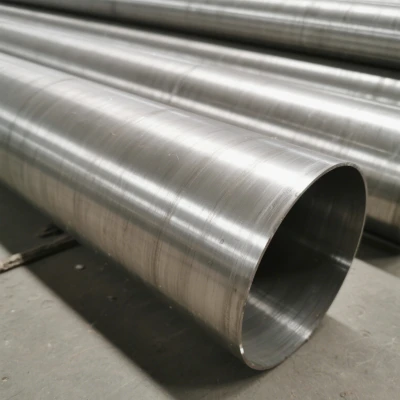
The chemical composition of stainless steel plays a significant role in its shear strength. Different grades of stainless steel contain varying amounts of elements such as chromium, nickel, and molybdenum, which can enhance the material's strength and corrosion resistance. For example, 904L Stainless Steel Pipe is known for its high resistance to corrosion and excellent mechanical properties, including good shear strength.

Heat Treatment
Heat treatment is another important factor that can affect the shear strength of stainless steel. By heating and cooling the material in a controlled manner, it's possible to alter its microstructure and improve its mechanical properties. For example, annealing can be used to relieve internal stresses and increase the ductility of the material, while quenching and tempering can be used to increase its hardness and strength.
Wall Thickness
The wall thickness of a stainless steel pipe or tube also has a significant impact on its shear strength. Generally, thicker walls provide greater resistance to shear forces because they have more material to distribute the load. However, increasing the wall thickness also increases the weight and cost of the product, so it's important to find the right balance for your application.
Surface Finish
The surface finish of a stainless steel pipe or tube can also affect its shear strength. A smooth surface finish can reduce friction and improve the flow of fluids through the pipe, which can help to prevent the development of shear forces. On the other hand, a rough surface finish can increase friction and create areas of stress concentration, which can reduce the shear strength of the material.
Measuring Shear Strength
So, how do we measure the shear strength of stainless steel pipes and tubes? There are several methods that can be used, but one of the most common is the shear test. In a shear test, a sample of the material is placed in a testing machine and subjected to a shear force until it fails. The maximum shear force that the sample can withstand is then recorded, and this value is used to calculate the shear strength of the material.
It's important to note that the shear strength of a stainless steel pipe or tube can vary depending on the testing method used, the orientation of the sample, and other factors. Therefore, it's important to use standardized testing methods and to ensure that the test results are representative of the actual conditions that the product will be exposed to in service.
Importance of Shear Strength in Different Applications
The shear strength of stainless steel pipes and tubes is important in a wide range of applications. Here are some examples:
Plumbing Systems
In plumbing systems, stainless steel pipes and tubes are often used to transport water, gas, and other fluids. The shear strength of these pipes is important because they need to be able to withstand the pressure and flow of the fluids without leaking or bursting. For example, ASTM A249 TP304/304L Welded Steel Pipe is a popular choice for plumbing applications because it has good corrosion resistance and mechanical properties, including adequate shear strength.
Structural Applications
In structural applications, stainless steel tubes are often used to support heavy loads, such as in buildings, bridges, and machinery. The shear strength of these tubes is critical because they need to be able to resist the forces that are applied to them without deforming or failing. For example, in a building framework, tubes may be used to support the weight of the floors and walls, and shear forces can develop at the joints or connections. Using tubes with high shear strength can help to ensure the structural integrity of the building.
Automotive and Aerospace Industries
In the automotive and aerospace industries, stainless steel pipes and tubes are used in a variety of applications, such as exhaust systems, fuel lines, and hydraulic systems. The shear strength of these components is important because they need to be able to withstand the high pressures and temperatures that are generated in these systems. For example, in an automotive exhaust system, pipes need to be able to resist the vibrations and thermal stresses that are caused by the engine, and shear forces can develop at the bends and joints.
Choosing the Right Stainless Steel Pipe or Tube for Your Application
When choosing a stainless steel pipe or tube for your application, it's important to consider the shear strength requirements. Here are some tips to help you make the right choice:
Determine the Shear Force Requirements
The first step is to determine the shear force requirements of your application. This will depend on factors such as the pressure, flow rate, and temperature of the fluid or gas that the pipe or tube will be transporting, as well as the load that it will be supporting. Once you have determined the shear force requirements, you can choose a material and wall thickness that will provide adequate shear strength.
Consider the Environment
The environment in which the pipe or tube will be used is also an important factor to consider. If the application involves exposure to corrosive substances, such as chemicals or saltwater, you'll need to choose a stainless steel grade that has good corrosion resistance. For example, 904L Stainless Steel Pipe is a good choice for applications in harsh environments because it has excellent corrosion resistance.
Look for Quality and Certification
When purchasing stainless steel pipes and tubes, it's important to look for products that are of high quality and have been certified to meet industry standards. This will ensure that the products have been tested and meet the required specifications for shear strength and other mechanical properties. For example, products that are certified to ASTM standards have been tested and verified to meet the requirements of the American Society for Testing and Materials.
Conclusion
In conclusion, the shear strength of stainless steel pipes and tubes is a crucial property that can affect their performance and durability in a wide range of applications. By understanding the factors that affect shear strength, how to measure it, and how to choose the right product for your application, you can ensure that your projects are successful and that your pipes and tubes will provide reliable service for many years to come.
If you're in the market for stainless steel pipes and tubes and have any questions about shear strength or other properties, don't hesitate to reach out. We're here to help you find the right products for your needs and to provide you with the support and expertise you need to make informed decisions. Whether you're looking for ASTM A249 TP304/304L Welded Steel Pipe, Large Diameter Stainless Steel Welded Pipe Factory Direct Sales, or 904L Stainless Steel Pipe, we've got you covered. Let's start a conversation and see how we can work together to meet your requirements.
References
- ASM Handbook Volume 1: Properties and Selection: Irons, Steels, and High-Performance Alloys
- ASTM International Standards on Stainless Steel
- "Mechanical Properties of Metals" by George E. Dieter
Send Inquiry