

What is the color of UNS S32304 stainless steel plate?
May 12, 2025
Leave a message
What is the color of UNS S32304 stainless steel plate?
As a supplier of UNS S32304 Stainless Steel Plate, I often encounter inquiries about the color of this particular type of stainless - steel plate. Understanding the color characteristics of UNS S32304 stainless steel plate is not only crucial for aesthetic considerations but also has implications for its performance and application.
The Natural Color of UNS S32304 Stainless Steel Plate
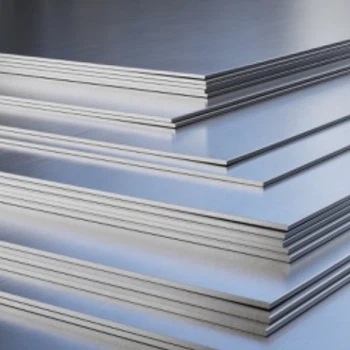
UNS S32304 is a duplex stainless steel, which combines the advantages of austenitic and ferritic stainless steels. In its natural, untreated state, the color of UNS S32304 stainless steel plate is a typical metallic silver - gray. This color is a result of the alloy's composition and the way it reflects light. The surface finish of the plate can significantly affect the appearance of this color. For instance, a polished finish will make the plate have a bright, mirror - like silver - gray color, reflecting the surrounding environment clearly. On the other hand, a matte finish will give it a more subdued, non - reflective silver - gray appearance, which may be preferred in applications where glare needs to be minimized.

The silver - gray color is a characteristic feature of most stainless steels. It is due to the presence of iron and other alloying elements such as chromium and nickel. Chromium, in particular, forms a thin, invisible oxide layer on the surface of the stainless steel. This oxide layer, known as the passive film, not only protects the steel from corrosion but also contributes to its characteristic color. The passive film is self - healing, which means that if it is scratched or damaged, it can reform in the presence of oxygen, maintaining the steel's corrosion resistance and color.
Factors Affecting the Color of UNS S32304 Stainless Steel Plate
Surface Treatment
Surface treatments can have a profound impact on the color of UNS S32304 stainless steel plate. One common surface treatment is pickling. Pickling is a process that uses acid solutions to remove impurities and scale from the surface of the stainless steel. After pickling, the surface of the plate may have a slightly duller silver - gray color compared to a polished surface. This is because the pickling process etches the surface slightly, altering its reflectivity.
Another surface treatment is passivation. Passivation is similar to pickling but is mainly focused on enhancing the passive film on the surface of the stainless steel. It can improve the corrosion resistance of the plate. While passivation does not significantly change the color of the plate, it can make the existing silver - gray color more uniform and stable over time.
Coating is also a way to change the color of the stainless - steel plate. Some coatings can provide a decorative color, such as black, gold, or blue. These coatings can be applied through various methods, including physical vapor deposition (PVD) or painting. However, it's important to note that coatings need to be carefully selected to ensure they are compatible with the UNS S32304 stainless steel and do not compromise its corrosion resistance.
Environmental Exposure
The environment in which the UNS S32304 stainless steel plate is exposed can also affect its color. In a clean, dry environment, the plate will generally maintain its original silver - gray color for a long time. However, in a harsh environment with high humidity, high temperatures, or the presence of corrosive substances, the plate may undergo color changes.
For example, in a coastal environment where there is a high concentration of salt in the air, the stainless steel plate may develop a light brown or yellowish discoloration over time. This is due to the corrosion of the surface layer by the salt and moisture. In industrial environments with pollutants such as sulfur dioxide or chlorine, the plate may also experience color changes. These pollutants can react with the passive film on the surface of the stainless steel, causing it to break down and leading to corrosion and color alteration.
Heat Treatment
Heat treatment can change the microstructure of UNS S32304 stainless steel, which in turn can affect its color. When the stainless - steel plate is heated to high temperatures during processes such as welding or annealing, it may form a heat - tinted layer on the surface. This heat - tinted layer can range in color from light yellow to dark blue, depending on the temperature and duration of the heat treatment.
The heat - tinted layer is a result of the oxidation of the surface layer of the stainless steel at high temperatures. While the heat - tinted layer is not necessarily a sign of poor quality, it may need to be removed or treated to restore the original appearance and corrosion resistance of the plate.
Color and Application of UNS S32304 Stainless Steel Plate
The color of UNS S32304 stainless steel plate plays an important role in its application. In architectural applications, the silver - gray color of the polished or matte stainless - steel plate is often used for its modern and elegant appearance. It can be used for building facades, interior decoration, and structural elements. The color can blend well with different design styles, from contemporary to minimalist.
In the food and beverage industry, the natural silver - gray color of the stainless - steel plate is preferred because it gives a clean and hygienic impression. The smooth surface and the stable color also make it easy to clean and maintain, which is crucial for food - contact applications.
In the chemical and petrochemical industries, the color stability of UNS S32304 stainless steel plate is important. The plate needs to maintain its appearance and performance in harsh chemical environments. While color changes may occur due to corrosion, the ability of the stainless steel to resist severe corrosion and maintain its structural integrity is more critical.

Comparison with Other Stainless Steel Plates
When comparing the color of UNS S32304 stainless steel plate with other types of stainless steel plates, such as UNS S44800 Stainless Steel Plate and UNS S32205 Stainless Steel Plate, there are some similarities and differences.
UNS S44800 is a ferritic stainless steel. In its natural state, it also has a silver - gray color similar to UNS S32304. However, the ferritic structure of UNS S44800 may make it more prone to surface oxidation in some environments, which could lead to more noticeable color changes compared to the duplex structure of UNS S32304.
UNS S32205 is another duplex stainless steel like UNS S32304. Their color characteristics are quite similar in terms of the natural silver - gray appearance. However, due to differences in their alloy compositions, the response of these two materials to surface treatments, environmental exposure, and heat treatment may vary slightly. For example, UNS S32205 may have better corrosion resistance in some aggressive environments, which could result in more stable color over time.
Conclusion and Call to Action
In conclusion, the color of UNS S32304 stainless steel plate is primarily a silver - gray color in its natural state, but it can be affected by surface treatment, environmental exposure, and heat treatment. Understanding these factors is essential for selecting the right stainless - steel plate for different applications.
As a supplier of UNS S32304 Stainless Steel Plate, we are committed to providing high - quality products with consistent color and performance. If you are interested in our UNS S32304 stainless steel plates or have any questions about their color, application, or other aspects, please feel free to contact us for further discussion and procurement negotiation.
References
- ASM Handbook Volume 13A: Corrosion, ASM International
- Stainless Steel Handbook, The Nickel Institute
- Duplex Stainless Steels: Properties, Applications, and Design, K. J. Irvine and R. A. Cottis
Send Inquiry