

What is the chemical stability of 316L stainless steel plate in alkaline environments?
Aug 07, 2025
Leave a message
Hey there! As a supplier of 316L stainless steel plates, I often get asked about the chemical stability of 316L stainless steel plate in alkaline environments. So, I thought I'd dive into this topic and share some insights with you.
First off, let's talk a bit about 316L stainless steel. 316L is a low-carbon variant of 316 stainless steel. The "L" stands for "low carbon," which helps to prevent carbide precipitation during welding and heat treatment. This makes 316L a popular choice in a wide range of applications, especially those where corrosion resistance is crucial. You can check out more about 316L Stainless Steel Plate on our website.
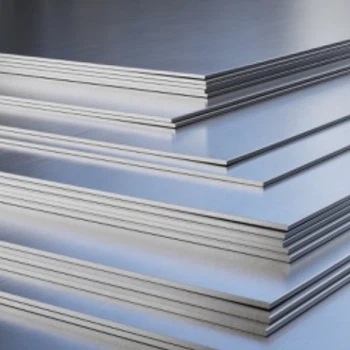
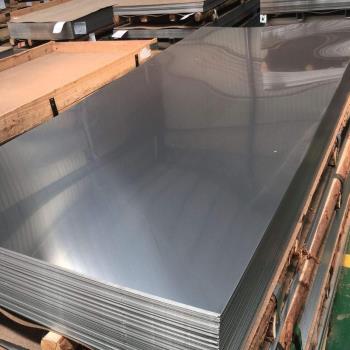
Now, onto the main question: What's the chemical stability of 316L stainless steel plate in alkaline environments? Well, 316L stainless steel generally has good chemical stability in alkaline solutions. Alkaline environments are characterized by a high pH, usually above 7. Common alkaline substances include sodium hydroxide (NaOH), potassium hydroxide (KOH), and ammonia (NH₃).
The key to 316L's stability in alkaline environments lies in its passive film. A passive film is a thin layer of oxide that forms on the surface of the stainless steel. This film acts as a barrier, protecting the underlying metal from further corrosion. In 316L stainless steel, the main components of the passive film are chromium oxide (Cr₂O₃) and nickel oxide (NiO). Chromium is a crucial element in stainless steel as it readily forms a stable oxide layer. Nickel also enhances the corrosion resistance and helps to maintain the integrity of the passive film.
In mild alkaline solutions, 316L stainless steel can withstand corrosion quite well. For example, in dilute sodium hydroxide solutions with a pH of around 8 - 10, the passive film on 316L remains intact. The hydroxide ions in the solution react with the metal surface, but the passive film prevents the reaction from going too deep. As long as the passive film is not damaged, the 316L stainless steel plate will continue to resist corrosion.
However, in more concentrated alkaline solutions or at higher temperatures, the situation gets a bit more complicated. At high pH values (above 12) and elevated temperatures, the passive film can start to break down. The hydroxide ions in the solution can react with the chromium and nickel oxides in the passive film, causing it to dissolve. Once the passive film is compromised, the underlying metal is exposed to the alkaline solution, and corrosion can occur.
Another factor that can affect the chemical stability of 316L stainless steel in alkaline environments is the presence of other substances. For instance, if there are chloride ions (Cl⁻) in the alkaline solution, it can significantly increase the risk of corrosion. Chloride ions are known to be aggressive towards the passive film of stainless steel. They can penetrate the passive film and cause pitting corrosion, which is a form of localized corrosion.
Compared to some other types of stainless steel plates, 316L has a decent performance in alkaline environments. Take JIS G4304 Stainless Steel Plate for example. JIS G4304 covers a variety of stainless steel grades, and while some of them may have good corrosion resistance, 316L often stands out due to its low carbon content and the high levels of chromium and nickel. Another option is UNS S32205 Stainless Steel Plate, which is a duplex stainless steel. Duplex stainless steels generally have higher strength and better resistance to stress corrosion cracking, but in some alkaline environments, 316L may still be a more cost - effective choice.
So, if you're considering using 316L stainless steel plates in an alkaline environment, here are some tips. First, make sure to assess the pH and temperature of the alkaline solution. If it's a mild alkaline environment, 316L should work just fine. But if you're dealing with a highly concentrated or high - temperature alkaline solution, you may need to take additional precautions. You could consider using a coating on the 316L plate to provide an extra layer of protection.
Second, be aware of the presence of other substances in the alkaline solution, especially chloride ions. If possible, try to reduce the chloride content or use a different stainless steel grade that is more resistant to chloride - induced corrosion.
If you're in the market for 316L stainless steel plates for your alkaline - environment applications, we're here to help. We have a wide range of 316L stainless steel plates in different sizes and thicknesses. Our plates are made from high - quality materials and undergo strict quality control processes to ensure their performance. Whether you need a small quantity for a research project or a large order for an industrial application, we can meet your needs.
If you have any questions or want to discuss your specific requirements, feel free to reach out to us. We're always happy to have a chat and help you find the right stainless steel solution for your project.
References
- "Corrosion of Stainless Steels" by John R. Scully
- "Stainless Steel: A Primer" by ASM International
Send Inquiry