

What are the storage requirements for 310S stainless steel tube?
Aug 04, 2025
Leave a message
As a trusted supplier of 310S stainless steel tubes, I understand the importance of proper storage to maintain the quality and integrity of these high - performance products. In this blog, I'll delve into the storage requirements for 310S stainless steel tubes, ensuring that they remain in optimal condition until they reach your project site.
1. Storage Environment
The storage environment plays a crucial role in preserving the quality of 310S stainless steel tubes. These tubes are highly resistant to corrosion, but improper storage can still lead to surface damage and reduced performance.
1.1 Indoor Storage
Indoor storage is the preferred option for 310S stainless steel tubes. A dry, well - ventilated warehouse can protect the tubes from direct exposure to rain, snow, and harsh sunlight. Moisture is one of the main enemies of stainless steel, as it can cause rusting and pitting over time. By storing the tubes indoors, you can control the humidity level and prevent the formation of condensation on the tube surfaces.
The ideal humidity level in the storage area should be maintained below 60%. You can use dehumidifiers or air - conditioning systems to achieve this. Additionally, proper ventilation helps to remove any stagnant air and prevent the accumulation of harmful gases or fumes that could potentially damage the tubes.
1.2 Outdoor Storage
If indoor storage is not available, outdoor storage can be an alternative, but it requires extra precautions. When storing 310S stainless steel tubes outdoors, they should be placed on a raised platform or pallets to keep them off the ground. This helps to prevent contact with moisture from the soil and reduces the risk of corrosion.
The tubes should also be covered with waterproof tarps or covers to protect them from rain, snow, and sunlight. However, it's important to ensure that the covers are breathable to prevent the build - up of moisture under the cover. Regular inspections should be carried out to check for any signs of damage or corrosion on the tube surfaces.
2. Storage Position
The way 310S stainless steel tubes are stored can also affect their quality.
2.1 Horizontal Storage
Horizontal storage is a common method for storing stainless steel tubes. When storing the tubes horizontally, they should be placed on a flat and stable surface. It's important to use spacers or supports at regular intervals to prevent the tubes from sagging or deforming under their own weight. The spacers should be made of non - abrasive materials to avoid scratching the tube surfaces.
For long - length tubes, additional supports may be required in the middle to prevent bending. The tubes should also be arranged in an orderly manner, with each layer separated by spacers to ensure proper ventilation and easy access for handling.
2.2 Vertical Storage
Vertical storage can be used for shorter tubes or when space is limited. When storing the tubes vertically, they should be placed in a rack or stand that can support them securely. The tubes should be held in place to prevent them from toppling over. However, vertical storage may cause stress concentration at the bottom of the tubes, so it's important to check for any signs of deformation or damage regularly.
3. Protection from Contamination
310S stainless steel tubes are sensitive to contamination from other metals, chemicals, and debris.
3.1 Separation from Other Metals
Stainless steel tubes should be stored separately from other metals, especially carbon steel. Contact between stainless steel and carbon steel can cause galvanic corrosion, which occurs when two different metals are in contact in the presence of an electrolyte (such as moisture). This can lead to rapid corrosion of the stainless steel tubes.

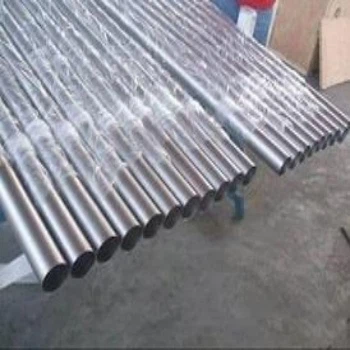
To prevent galvanic corrosion, it's important to keep a physical barrier between the stainless steel tubes and other metals. You can use non - conductive materials such as plastic sheets or rubber pads to separate them.
3.2 Cleaning and Debris Removal
Before storing the 310S stainless steel tubes, they should be thoroughly cleaned to remove any dirt, grease, or debris on the surfaces. This can be done using mild detergents and clean water. After cleaning, the tubes should be dried completely to prevent the formation of rust.
During storage, the storage area should be kept clean to prevent the accumulation of dust and debris on the tube surfaces. Regular cleaning of the storage area and the tubes themselves can help to maintain their quality.
4. Identification and Inventory Management
Proper identification and inventory management are essential for efficient storage of 310S stainless steel tubes.
4.1 Tube Identification
Each tube should be clearly marked with its specifications, such as diameter, wall thickness, length, and grade. This helps to ensure that the correct tubes are selected for a particular project and makes it easier to manage the inventory. The markings can be made using paint, stickers, or engraved labels.
4.2 Inventory Management
An effective inventory management system should be in place to keep track of the quantity, location, and movement of the 310S stainless steel tubes. This can help to prevent overstocking or understocking and ensure that the tubes are used in a timely manner. Regular inventory audits should be carried out to reconcile the physical stock with the records in the system.
5. Compatibility with Other Products
When storing 310S stainless steel tubes, it's important to consider their compatibility with other products in the storage area. For example, if there are chemicals or solvents stored nearby, they should be properly sealed and stored in a separate area to prevent any potential chemical reactions with the stainless steel tubes.
Some chemicals, such as acids and alkalis, can cause corrosion of stainless steel. Therefore, it's important to keep the storage area free from any sources of chemical contamination.
Conclusion
Proper storage of 310S stainless steel tubes is essential to maintain their quality and performance. By following the storage requirements outlined above, including controlling the storage environment, choosing the right storage position, protecting from contamination, and implementing effective identification and inventory management, you can ensure that the tubes remain in optimal condition until they are ready for use.
If you are in the market for high - quality 310S stainless steel tubes, we are here to help. We also offer a wide range of other stainless steel products, such as ASTM A789 UNS S31803 Tube, ASTM A270 Sanitary Stainless Steel Tube, and EN 10216 - 5 Stainless Steel Tube. Contact us today to discuss your specific requirements and start the procurement process.
References
- ASM Handbook Committee. ASM Handbook, Volume 13A: Corrosion: Fundamentals, Testing, and Protection. ASM International, 2003.
- Stainless Steel World Americas. Stainless Steel Handbook. Various contributors, updated regularly.
Send Inquiry