

Is ASTM A240 stainless steel plate recyclable?
Oct 27, 2025
Leave a message
As a supplier of ASTM A240 Stainless Steel Plate, I often receive inquiries from customers about the recyclability of this product. In this blog post, I will delve into the topic of whether ASTM A240 stainless steel plate is recyclable, exploring the science behind it, the recycling process, and the benefits of recycling.
The Science Behind Stainless Steel Recycling
Stainless steel is an alloy composed primarily of iron, chromium, and nickel, along with other elements such as molybdenum, titanium, and copper. These elements give stainless steel its unique properties, including corrosion resistance, strength, and durability. The recyclability of stainless steel is due to its chemical composition and the fact that it can be melted down and reformed without losing its inherent properties.
Chromium, which is present in stainless steel in varying amounts depending on the grade, forms a thin, passive oxide layer on the surface of the metal. This layer protects the steel from corrosion and gives it its characteristic shine. When stainless steel is recycled, this oxide layer is removed during the melting process, and the metal can be refined to remove impurities and adjust the chemical composition as needed.
Nickel, another important element in stainless steel, is also highly recyclable. It can be recovered from scrap stainless steel and reused in the production of new stainless steel products. The recycling of nickel not only conserves natural resources but also reduces the energy required to extract and refine new nickel from ore.
The Recycling Process of ASTM A240 Stainless Steel Plate
The recycling process of ASTM A240 stainless steel plate typically involves several steps:
- Collection: Scrap stainless steel is collected from various sources, including manufacturing plants, construction sites, and end-of-life products. This scrap can include cuttings, offcuts, and discarded components made from ASTM A240 stainless steel plate.
- Sorting: Once collected, the scrap stainless steel is sorted based on its grade and composition. This is important because different grades of stainless steel have different chemical compositions and properties, and they need to be recycled separately to ensure the quality of the recycled product.
- Shredding: The sorted scrap stainless steel is then shredded into smaller pieces to increase its surface area and make it easier to melt. Shredding also helps to remove any non-metallic contaminants, such as paint, plastic, or rubber, that may be attached to the scrap.
- Melting: The shredded scrap stainless steel is loaded into a furnace and melted at high temperatures. During the melting process, the metal is refined to remove impurities and adjust the chemical composition as needed. The molten stainless steel is then poured into molds to form ingots or other shapes.
- Forming: The ingots or other shapes of recycled stainless steel are then processed into new products, such as ASTM A240 stainless steel plate, using various manufacturing techniques, such as rolling, forging, and machining.
Benefits of Recycling ASTM A240 Stainless Steel Plate
Recycling ASTM A240 stainless steel plate offers several benefits, both environmental and economic:
- Conservation of Natural Resources: Recycling stainless steel reduces the need to extract and refine new raw materials from the earth. This helps to conserve natural resources, such as iron ore, chromium, and nickel, and reduces the environmental impact of mining and processing these materials.
- Energy Savings: Recycling stainless steel requires less energy than producing new stainless steel from raw materials. According to the International Stainless Steel Forum, recycling stainless steel can save up to 75% of the energy required to produce new stainless steel. This not only reduces greenhouse gas emissions but also helps to lower the cost of production.
- Reduction of Waste: Recycling ASTM A240 stainless steel plate helps to reduce the amount of waste sent to landfills. Stainless steel is a durable material that can last for many years, but eventually, it will reach the end of its useful life. By recycling this scrap stainless steel, we can prevent it from ending up in landfills and instead give it a new life as a valuable resource.
- Economic Benefits: Recycling stainless steel can also provide economic benefits. The recycling industry creates jobs in collection, sorting, processing, and manufacturing. In addition, the recycled stainless steel can be sold at a lower cost than new stainless steel, which can help to reduce the cost of production for manufacturers and make their products more competitive in the market.
Comparison with Other Stainless Steel Standards
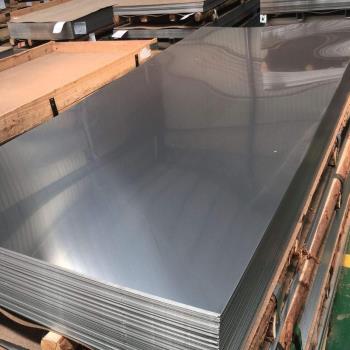
In addition to ASTM A240 stainless steel plate, there are other standards for stainless steel plates, such as JIS G4305 Stainless Steel Plate/Coil and JIS G4304 Stainless Steel Plate. These standards are widely used in different industries and regions, and they also have their own recyclability characteristics.
JIS G4305 and JIS G4304 stainless steel plates are similar to ASTM A240 stainless steel plate in terms of their chemical composition and properties. They are also highly recyclable, and the recycling process is similar to that of ASTM A240 stainless steel plate. However, the specific requirements and specifications of these standards may vary, and it is important to ensure that the scrap stainless steel is properly sorted and recycled according to the relevant standards.

Conclusion
In conclusion, ASTM A240 stainless steel plate is highly recyclable. Its unique chemical composition and properties make it suitable for recycling, and the recycling process can effectively recover the valuable metals and reuse them in the production of new stainless steel products. Recycling ASTM A240 stainless steel plate offers numerous benefits, including conservation of natural resources, energy savings, reduction of waste, and economic benefits.
As a supplier of ASTM A240 Stainless Steel Plate, I am committed to promoting the sustainable use of stainless steel. We encourage our customers to recycle their scrap stainless steel and support the circular economy. If you are interested in purchasing ASTM A240 stainless steel plate or have any questions about its recyclability, please feel free to contact us for more information and to discuss your procurement needs.
References
- International Stainless Steel Forum. (n.d.). Recycling of Stainless Steel. Retrieved from https://worldstainless.org/what-is-stainless/recycling/
- American Iron and Steel Institute. (n.d.). Steel Recycling. Retrieved from https://www.steel.org/steel-101/steel-recycling/
Send Inquiry