

How to prevent scratches on stainless steel plate and sheet?
Nov 25, 2025
Leave a message
Hey there! As a supplier of stainless steel plates and sheets, I've seen my fair share of scratched products. It's a common issue that can really affect the look and performance of these materials. So, I thought I'd share some tips on how to prevent scratches on stainless steel plates and sheets.

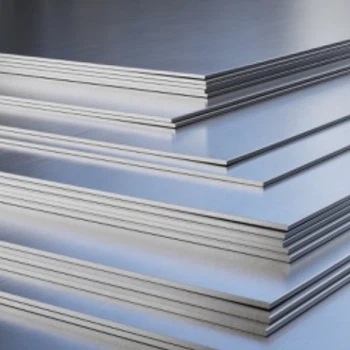
Understanding the Basics of Stainless Steel
First off, let's talk a bit about stainless steel. It's a super popular material because it's durable, corrosion - resistant, and has a great aesthetic appeal. But, it's not completely immune to scratches. The surface of stainless steel can get marred by various things like rough handling, abrasive cleaning tools, or contact with sharp objects.
Stainless steel comes in different grades, each with its own properties. For example, UNS S32615 High Silicon Stainless Steel Plate has unique characteristics that make it suitable for specific applications. The same goes for UNS S32304 Stainless Steel Plate and UNS S32205 Stainless Steel Plate. Knowing the grade of your stainless steel is important as it can influence how you handle and protect it.
Proper Handling During Transportation
One of the first steps in preventing scratches is proper handling during transportation. When moving stainless steel plates and sheets, make sure they're well - protected. You can use soft padding, like foam or rubber, to line the transportation containers. This will act as a buffer between the metal and any hard surfaces that could cause scratches.
Also, be careful when loading and unloading. Avoid dragging the plates or sheets across rough surfaces. Instead, lift them gently and place them in the right position. If possible, use lifting equipment with soft slings or pads to prevent direct contact between the sharp edges of the lifting gear and the stainless steel.
Storage Considerations
How you store your stainless steel plates and sheets is crucial. Store them in a clean, dry environment. Moisture can not only cause corrosion but also make the surface more prone to scratches. If the storage area is dirty, particles can get stuck on the surface and scratch it when the plates are moved.
Stack the plates and sheets carefully. Make sure there are no sharp objects between the layers. You can use cardboard or plastic separators to keep the layers apart. This will prevent the edges of one plate from scratching the surface of another.
Protective Coatings
Applying a protective coating is a great way to prevent scratches. There are different types of coatings available in the market. Some are temporary and can be removed easily, while others are more permanent.
Temporary coatings are useful during the installation or transportation phase. They can be peeled off once the product is in place. Permanent coatings, on the other hand, provide long - term protection. They can enhance the scratch - resistance of the stainless steel and also improve its overall appearance.
Before applying a coating, make sure the surface of the stainless steel is clean and dry. Follow the manufacturer's instructions carefully for the best results.
Cleaning Practices
Cleaning is an important part of maintaining stainless steel, but it can also cause scratches if not done right. Avoid using abrasive cleaning tools like steel wool or rough brushes. These can leave scratches on the surface.
Instead, use a soft cloth or a sponge. For general cleaning, a mild detergent and warm water are usually sufficient. If you need to remove stubborn stains, you can use a non - abrasive cleaner specifically designed for stainless steel.
When cleaning, always wipe in the direction of the grain. The grain is the pattern on the surface of the stainless steel, and wiping with it helps prevent scratches.
Avoiding Contact with Sharp Objects
This might seem obvious, but it's easy to forget. Keep sharp objects away from your stainless steel plates and sheets. Tools, keys, or other metal objects can scratch the surface if they come into contact with it.
If you're working with the stainless steel in a workshop, make sure the workbench is clean and free of any sharp edges. Use a soft mat or a protective covering on the workbench to prevent scratches.
Installation Precautions
During installation, take extra precautions to prevent scratches. If you're cutting or drilling the stainless steel, use the right tools and techniques. Make sure the cutting or drilling equipment is sharp and in good condition. Dull tools can cause more friction and increase the risk of scratches.
When fitting the plates or sheets, avoid forcing them into place. If there's a misalignment, adjust it carefully instead of pushing or pulling hard.
Regular Inspections
Regularly inspect your stainless steel plates and sheets for any signs of scratches. Catching scratches early can prevent them from getting worse. If you notice a small scratch, you can try to repair it using a scratch - repair kit. These kits usually contain a compound that can fill in the scratch and make it less visible.
Conclusion
Preventing scratches on stainless steel plates and sheets is all about being careful and taking the right precautions at every stage, from transportation to installation. By following these tips, you can keep your stainless steel looking great and performing well for a long time.
If you're in the market for high - quality stainless steel plates and sheets, we've got you covered. We offer a wide range of grades, including UNS S32615 High Silicon Stainless Steel Plate, UNS S32304 Stainless Steel Plate, and UNS S32205 Stainless Steel Plate. Contact us to start a procurement discussion and find the perfect stainless steel solution for your needs.
References
- Stainless Steel Association Handbook
- Manufacturer's guides for stainless steel products
Send Inquiry