

How to paint square stainless steel tubes for better adhesion?
Jul 02, 2026
Leave a message
As a supplier of square stainless steel tubes, I understand the importance of having a well - painted finish on these products. A proper paint job not only enhances the aesthetic appeal of the square stainless steel tubes but also provides protection against corrosion and wear. However, painting stainless steel can be challenging due to its smooth and non - porous surface, which often leads to poor paint adhesion. In this blog, I'll share some effective strategies on how to paint square stainless steel tubes for better adhesion.
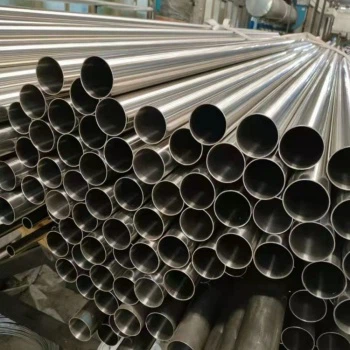
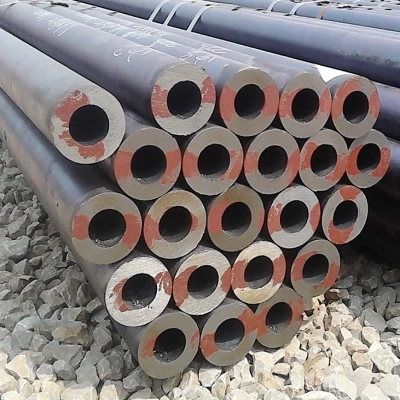
Understanding the Challenges of Painting Stainless Steel
Stainless steel has a passive oxide layer on its surface that makes it resistant to corrosion. But this same layer also poses a problem for paint adhesion. The smoothness of the stainless - steel surface doesn't allow the paint to grip properly, and the oxide layer can prevent the paint from bonding with the metal. Additionally, any contaminants on the surface, such as grease, oil, or dust, can further impede adhesion.
Surface Preparation
Surface preparation is the most crucial step in ensuring good paint adhesion on square stainless steel tubes.
- Cleaning: First, thoroughly clean the tubes to remove any dirt, grease, or oil. You can use a mild detergent mixed with water. For stubborn stains, a specialized stainless - steel cleaner can be employed. Scrub the surface gently with a soft cloth or sponge. Rinse the tubes with clean water and dry them completely with a lint - free cloth. This pre - cleaning step ensures that the paint will have a clean surface to bond with.
- Degreasing: Even after the initial cleaning, some stainless - steel tubes may still have traces of grease. A degreaser can be used to remove any remaining oil films. Apply the degreaser according to the manufacturer's instructions, and then rinse it thoroughly. Make sure the tubes are completely dry before proceeding to the next step.
- Abrasion: To enhance the surface roughness and create better adhesion points for the paint, abrasion is necessary. You can use fine - grit sandpaper (such as 220 - to 400 - grit) to lightly sand the surface of the square stainless steel tubes. Sanding should be done in a consistent and even manner. Another option is to use a wire brush, which can also roughen the surface effectively. However, be careful not to scratch the tubes too deeply, as this may cause surface defects. After abrasion, wipe the tubes with a clean, dry cloth to remove any metal particles or dust.
Selecting the Right Paint
Choosing the appropriate paint is essential for good adhesion on square stainless steel tubes.
- Epoxy - Based Paints: Epoxy paints are a popular choice for painting stainless steel because they offer excellent adhesion and durability. They form a strong bond with the metal and are resistant to chemicals, moisture, and impact. Epoxy paints come in a variety of colors and finishes, making them suitable for different applications.
- Polyurethane Paints: Polyurethane paints also provide good adhesion and a high - gloss finish. They are resistant to UV radiation, which makes them a great option for outdoor applications. Polyurethane paints are flexible and can expand and contract with the stainless - steel tube without cracking, ensuring long - term protection.
- Primers: Before applying the topcoat, using a primer is highly recommended. A metal - specific primer helps to improve the adhesion between the surface of the stainless - steel tube and the paint. It also provides an additional layer of corrosion protection. Some primers are formulated specifically for stainless steel, which can significantly enhance the bond strength.
Painting Process
Once the surface is properly prepared and the right paint is selected, it's time to start the painting process.
- Priming: Apply the primer evenly on the prepared surface of the square stainless steel tubes. Use a high - quality paintbrush or a spray gun, depending on the size and shape of the tubes. If using a spray gun, make sure to follow the correct spraying techniques to ensure a uniform coat. Allow the primer to dry completely according to the manufacturer's instructions. This usually takes several hours, but it may vary depending on the environmental conditions.
- Topcoating: After the primer has dried, apply the topcoat. Like the primer, apply the topcoat evenly. Multiple thin coats are generally better than one thick coat. This helps to prevent dripping, uneven drying, and poor adhesion. Wait for each coat to dry before applying the next one. The recommended number of topcoats depends on the type of paint and the desired finish.
Drying and Curing
Proper drying and curing are vital for achieving optimal paint adhesion.
- Drying: The drying time of the paint depends on several factors, such as the type of paint, humidity, and temperature. Generally, it's best to paint in a well - ventilated area with moderate humidity and temperature (around 20 - 25°C or 68 - 77°F). Avoid painting in extreme weather conditions, as this can affect the drying process and paint adhesion.
- Curing: Curing is a chemical process that further strengthens the paint film. After the paint has dried to the touch, it may still need some time to fully cure. Follow the manufacturer's guidelines regarding the curing time. Sometimes, the curing process can take a few days to a week, and during this time, the painted square stainless steel tubes should be handled carefully to avoid any damage to the paint surface.
Post - Painting Care
Once the paint has fully dried and cured, some post - painting care can help to maintain the adhesion and the overall quality of the finish.
- Inspection: Inspect the painted tubes for any signs of unevenness, bubbles, or other defects. If any issues are detected, they can be addressed by sanding the affected area lightly and reapplying the paint as needed.
- Protection: To prevent scratches and damage to the paint, it's advisable to handle the painted tubes with care. If the tubes are being stored for a long time, they should be covered or stored in a protected area.
Related Products and Their Applications
If you're interested in other stainless - steel products, we also supply high - quality 3 - inch Seamless Pipe. These seamless pipes are known for their excellent strength and corrosion resistance, making them suitable for a wide range of applications, including industrial piping systems and construction projects.
Our 304 Stainless Steel Pipe is another popular product. With its good formability and corrosion resistance, it is widely used in the food and beverage industry, as well as in architectural applications.
The EN 10216 - 2 Hot - Finished Seamless Steel Tubes adhere to strict European standards. They are often used in high - pressure and high - temperature applications, such as power generation and oil and gas industries.
Conclusion
Painting square stainless steel tubes for better adhesion requires a systematic approach. From proper surface preparation to the selection of the right paint, and from a careful painting process to subsequent post - painting care, every step is crucial for achieving a long - lasting and aesthetically pleasing paint finish. Whether you're looking to enhance the appearance of your stainless - steel products or protect them from corrosion, following these guidelines can help you achieve the best results.
If you're interested in our square stainless steel tubes or any of the related products mentioned above, we encourage you to reach out for a detailed discussion. Our team of experts is ready to assist you with your purchasing decisions and provide you with the best solutions for your specific needs.
References
- "The Handbook of Stainless Steel Painting" by Painting Experts Publishing
- "Corrosion Protection and Paints for Metals" by Metal Coating Institute
Send Inquiry